
Emotional Agility: The One Skill That Separates Survivors from Innovators
Have you ever had that feeling—the pressure is on, the stress is real, and the walls feel like they are closing in?
I know you have. I’ve been there. And lately, that’s not a rarity. It’s the new normal. Urgency seems to rule the day, and with it comes a creeping sense of impending crisis. Deadlines. Uncertainty. Market shifts. Team tensions.
And the real question isn’t whether these moments will come.
The question is: What tools or personal strategies will you employ to remain calm, composed, and focused?
Because here’s what I’ve learned after decades of leadership coaching: crisis narrows your vision. Innovation expands it. And the bridge between the two is something most people overlook.
It’s called emotional agility.
Emotional Agility: The Shift from Crisis to Innovation
Emotional agility isn’t about ignoring fear or pretending pressure doesn’t exist. It’s the opposite. It’s using your emotional information—the anxiety, the urgency, even the frustration—to help guide you. To stay open. To stay curious. To ask better questions instead of slamming the door shut.
When crisis hits, our instinct is to play small. To narrow down. To protect.
But emotionally agile leaders? They pause. They breathe. And they ask: “What could be? What should be?”
That tiny shift—from reaction to reflection—changes everything.
A Story That Proves It: Ted Sarandos, Netflix Co-CEO
Let me take you back to a moment that could have gone very differently.
A few years ago, the film and TV industry was staring down a real crisis. Traditional studios were pulling back. Budgets were tightening. Everyone was playing it safe. The message from the marketplace was clear: “Don’t take big risks.”
But Ted Sarandos and the team at Netflix stayed agile. And more than that—they stayed optimistic.
While other studios retreated, Sarandos made a bold bet. He greenlit $100 million for a political drama starring Kevin Spacey and directed by David Fincher. The show? House of Cards.
Now, that might sound like a no-brainer today. But back then? It was unheard of. A streaming service spending Hollywood-blockbuster money on original content? People thought he was crazy.
Here’s what Sarandos said later—and I want you to really hear this:

That’s emotional agility in action. He didn’t ignore the anxiety. He used it. He recognized that playing small wouldn’t give them real data. It wouldn’t create real change. So instead of letting fear shrink his vision, he let curiosity expand it.
And that bold decision? It started a chain reaction of monumental wins. Netflix didn’t just survive the crisis. They shifted from crisis to innovation—and set a new standard for the entire entertainment industry.
What Emotional Agility Looks Like for You
So how do you apply this tomorrow morning at 8 a.m. when the pressure hits?
You start by asking better questions. Not panicked questions. Innovation questions.
Try these on:


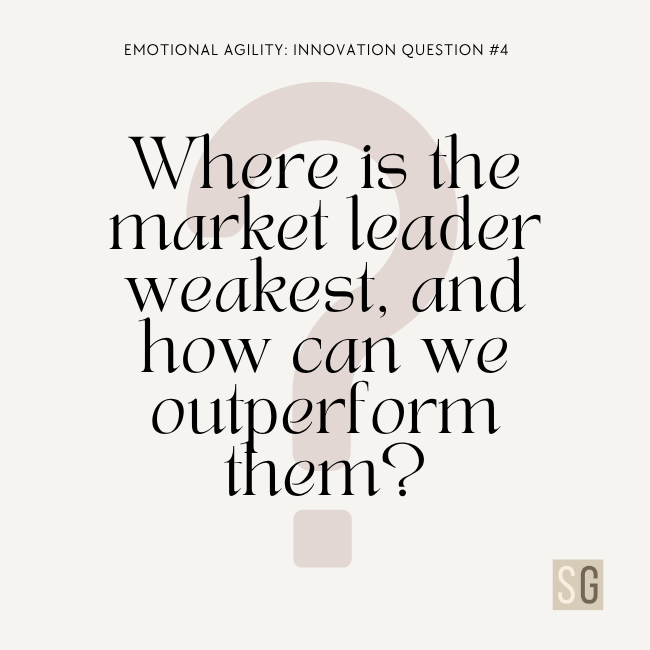

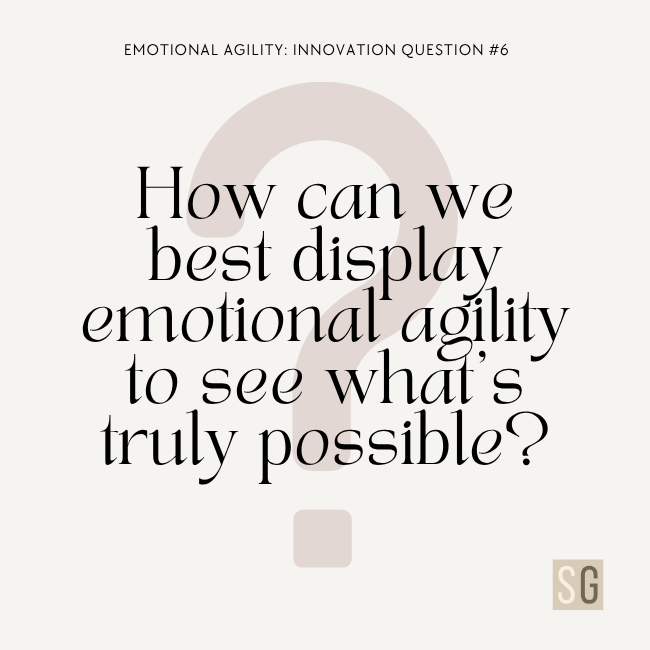
The last one is my favorite. Because it’s not about having all the answers. It’s about having the courage to stay open when every bone in your body wants to close up and hide.
A Warm Reminder
Look, I know the world feels heavy right now for so many of you. Leadership is lonely sometimes. The stakes are high. And crisis has a way of making us feel smaller than we are.
But here’s the truth: you are more agile than you think.
The same emotion that warns you of danger can also whisper possibility—if you learn to listen differently.
So this week, when the walls start to close in? Take a breath. Feel what you feel. And then ask yourself: What if I played big?
You might just set off a chain reaction of your own.
Here’s to you thriving and innovating!
–Steve

As a master storyteller, Steve has unparalleled ability to communicate dynamic business and leadership truths through stories, anecdotes and humor. Harness the power of the “number one” predictor of professional success, impact, leadership, high performance and sustainable relationships in business and life. Steve’s highest rated keynote presentation.
To book Steve today, contact Michelle Joyce!
(For information on keynote presentations, team workshops, and one on one coaching.)
“The purpose of Leadership Quest is to help professionals develop their personal leadership, vision and emotional intelligence. Everyday I strive to help leaders and teams achieve their desired goals in sales productivity, leadership, time maximization, and life-balance. ”
 About the Author
Steve Gutzler is the President of Leadership Quest, a premier leadership development company based in Scottsdale. As a dynamic and highly sought-after speaker, Steve has delivered over 2,500 impactful presentations to renowned organizations such as Microsoft, Starbucks, the Seattle Seahawks, Spotify, Boeing, Cisco, Starwood Hotels, Ritz-Carlton, and the U.S. Department of Commerce.
A published author and thought leader on leadership and emotional intelligence, Steve lives near Scottsdale with his wife, Julie. Together, they cherish time spent with their three adult children and six grandchildren.


